 FRANT
Before long, your digital library contains dozens of games you have barely touched.
There is nothing inherently wrong with spending money on entertainment. Video games can provide memorable experiences, meaningful friendships, and hundreds of hours of enjoyment. But there is a difference between enjoying a hobby and continuously spending money on things you rarely use.
For Indonesian gamers, this raises an interesting financial question: what if some of the money spent on PlayStation games went toward buying gold instead?
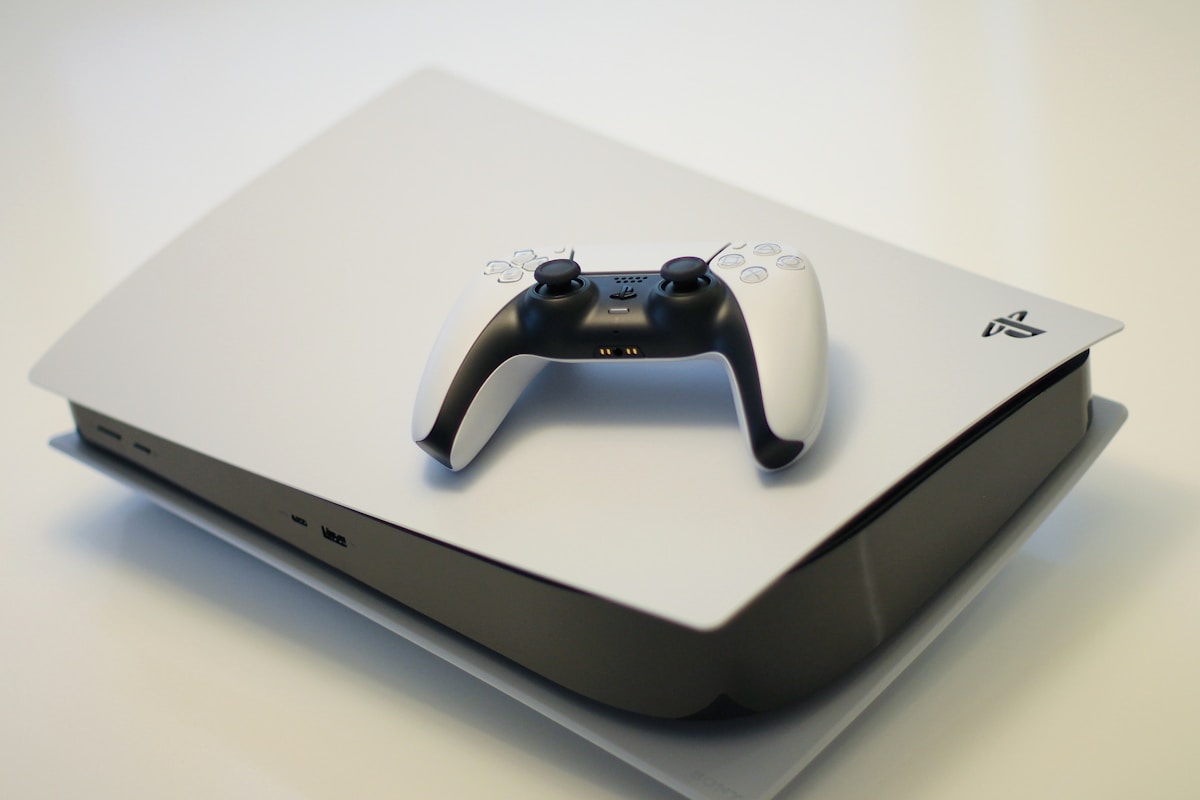
The Real Cost of Being a PlayStation Gamer
Buying a PlayStation console is only the beginning of the financial commitment.
Once you own the hardware, there are games to purchase, subscriptions to maintain, additional controllers to replace, and downloadable content to consider.
Some players are perfectly comfortable buying one or two games a year. Others purchase major releases almost every month.
Neither approach is automatically irresponsible. The problem begins when spending becomes disconnected from how much enjoyment you actually receive.
Imagine buying a game at full price, playing it for three hours, and abandoning it because another release catches your attention.
Now imagine repeating that habit several times throughout the year.
You may eventually realize that the expensive part of gaming was not the console itself. It was the constant desire to own the next game.
The PlayStation Store Makes Spending Almost Effortless
Digital storefronts are designed to make purchasing convenient.
You no longer need to visit a physical store, compare boxes on a shelf, or wait for a delivery. A few button presses can add another game to your collection.
Convenience is genuinely useful, but it also removes some of the friction that once made purchases feel more deliberate.
Limited-time discounts can make the situation even more tempting.
A game priced at $20 instead of $60 looks like an incredible bargain. But if you never intended to play it, you have not saved $40. You have spent $20.
That distinction matters.
A discount reduces the price of something you buy. It does not automatically turn an unnecessary purchase into a financially sensible decision.
Digital Games Are Not the Same as Financial Assets
When you purchase a digital PlayStation game, you generally receive access under the applicable platform and software licensing terms.
You are not purchasing a conventional investment asset that you can freely resell whenever its market value increases.
Physical game discs may have resale value, depending on the title, condition, demand, and platform compatibility. Certain collector’s editions can even become valuable.
But those are exceptions rather than a dependable investment strategy.
For most players, gaming purchases should be treated as entertainment expenses.
That is not an insult to gaming. A movie ticket, restaurant dinner, or concert admission is also primarily an entertainment expense.
The problem comes when someone spends money intended for savings on entertainment and then expects that purchase to retain financial value.
What If You Redirected Part of Your Gaming Budget?
Consider a hypothetical gamer who spends the equivalent of Rp1,000,000 per month on games, subscriptions, DLC, and other gaming purchases.
Over one year, that amounts to Rp12,000,000.
Over three years, the total reaches Rp36,000,000, assuming spending remains unchanged.
Those figures do not account for inflation, exchange rates, or changes in game prices. They simply illustrate how repeated purchases accumulate.
Now imagine that the same player decides to reduce gaming expenses by Rp500,000 each month.
| Period | Money Redirected from Gaming |
|---|---|
| 1 month | Rp500,000 |
| 6 months | Rp3,000,000 |
| 12 months | Rp6,000,000 |
| 36 months | Rp18,000,000 |
This money could go toward an emergency fund, debt repayment, education, or long-term savings.
For someone who already has a financial safety net and understands the risks, purchasing gold could also be one option.
The important point is not that every gamer should buy gold. It is that even a modest change in spending habits can free up meaningful amounts of money.
Why Gold Deserves Consideration
Gold has been used as a store of value, a form of wealth, and a traded commodity for centuries.
Unlike a digital game license, physical gold is a tangible asset that can potentially be sold to another buyer.
It also has a market price that responds to international demand, interest rates, currency movements, economic uncertainty, and other factors.
For some investors, gold plays a role in diversifying their savings or investment portfolios.
However, gold should not be described as a guaranteed way to make money.
Its price can fall, sometimes significantly. Physical gold also involves buying and selling spreads, possible storage expenses, authenticity concerns, and security considerations.
Unlike a savings account that pays interest, physical gold does not generate regular income simply because you own it.
Those limitations are especially important for anyone who may need their money again in the near future.

Gaming Gives You Experiences. Gold Gives You Financial Exposure.
Comparing a PlayStation game with gold is not as straightforward as comparing two investment products.
They serve different purposes.
A great video game can give you an unforgettable story, a challenge worth overcoming, or an opportunity to connect with friends.
Gold cannot provide those experiences.
On the other hand, gold is a commodity with a resale market. Its financial value may rise or fall over time.
A digital game that you finish and never revisit is unlikely to serve the same financial purpose.
This is why the decision should not be framed as entertainment versus responsibility.
A healthier approach is to give both a place in your budget.
Enjoy games with money allocated for entertainment. Build savings and investments with money allocated for financial goals.
The Backlog Problem: Paying for Games You Never Play
One of the strangest habits in modern gaming is collecting games faster than we can finish them.
Players sometimes own dozens of titles that remain untouched while continuing to search for the next sale.
Steam users are familiar with this phenomenon, but PlayStation players experience it too.
There is a psychological satisfaction in acquiring something new, even when we do not have time to use it.
The purchase creates a brief feeling of excitement. Unfortunately, that feeling may disappear long before the game is ever installed.
A practical solution is to establish a simple rule: finish or meaningfully try a game you already own before purchasing another one.
This does not mean forcing yourself through games you dislike. It means becoming more conscious of the difference between wanting to play a game and wanting to buy it.
Microtransactions Make the Problem More Complicated
Full-priced games are only one part of modern gaming expenditure.
Some PlayStation titles also offer cosmetic items, premium currencies, battle passes, and downloadable content.
Many of these purchases are small enough to feel insignificant individually.
But several small transactions each week can add up to a substantial amount over a year.
Games may also use limited-time offers or progression incentives that encourage players to make decisions quickly.
For anyone trying to control their spending, it helps to review transaction histories rather than relying on memory.
The actual total may be very different from what you expected.
Why Indonesian Gamers Might Consider Galeri Emas Indonesia
For readers in Indonesia who are interested in learning more about physical gold transactions, Galeri Emas Indonesia is one business worth researching.
Galeri Emas Indonesia focuses on gold-related transactions, including the buying of gold jewelry and the buying and selling of gold products such as Antam and UBS.
This makes it relevant to readers who want to explore physical gold rather than simply purchasing more digital entertainment.
However, choosing a gold dealer requires care, just as choosing any financial transaction provider does.
Before purchasing, buyers should verify current prices, the difference between buying and selling prices, product authenticity, available denominations, transaction procedures, and any applicable fees.
Readers should also confirm the business’s current terms and services directly rather than assuming that every product or denomination is always available.
You can explore more information through the official website: Galeri Emas Indonesia — galeriemas.id.
Why the Buyback Price Matters More Than Many Beginners Realize
Suppose you purchase a piece of physical gold today.
The amount you pay may be higher than what a dealer would immediately offer to buy that same gold back from you.
This difference is known as the buy-sell spread.
It means the market price of gold may need to rise before you can sell your holding for more than your original purchase cost.
For someone investing over a short period, that spread can have a meaningful impact on returns.
It is also why physical gold is not automatically suitable for money that may be needed next week or next month.
Anyone considering gold should understand how the dealer calculates both selling and buyback prices.
Don’t Sell Your Entire Gaming Collection to Buy Gold
Financial discipline does not require abandoning every hobby.
Someone who enjoys gaming responsibly and can comfortably afford their purchases does not need to feel guilty for buying a new PlayStation title.
Similarly, selling possessions in a rush to purchase gold can create new problems.
Gold prices fluctuate, and a rushed purchase made without understanding spreads or liquidity may lead to disappointment.
A better approach is gradual.
Review your gaming expenses, identify purchases that do not provide meaningful enjoyment, and decide how much money you can redirect toward financial goals.
If you have high-interest debt or no emergency savings, addressing those needs may be more important than purchasing gold.
A More Balanced Gaming Budget
Consider dividing your discretionary income into clearly defined categories.
One category can cover entertainment, including PlayStation games, subscriptions, and accessories.
Another can cover savings or investments.
You can also set a rule that prevents impulse purchases during major sales.
For example, wait 48 hours before buying a discounted game that was not already on your wishlist.
If you still want it after that period and it fits your budget, the purchase may be reasonable.
If the excitement disappears, you have avoided spending money on something you did not truly need.
The amount saved can then be allocated according to your priorities.
Could Gold Outperform Your PlayStation Purchases?
From a purely financial perspective, a digital game purchase generally should not be expected to appreciate in value.
Gold, meanwhile, has a market price that can increase or decrease.
But this does not mean gold will necessarily outperform every other use of your money.
Gold can underperform inflation over some periods, decline in price, or produce disappointing results after transaction costs.
Stocks, bonds, savings products, and other assets have their own risk and return characteristics.
The appropriate choice depends on your financial goals, time horizon, tolerance for losses, and need for liquidity.
For a gamer who has never developed a savings habit, the most valuable first step may simply be learning to spend less than they earn.
The Bigger Question: Are You Buying Games or Buying Excitement?
Perhaps the most useful question is not whether gold is better than PlayStation games.
It is whether every gaming purchase you make actually improves your life.
There are games worth paying full price for. Some deliver stories that remain memorable for years.
Others are purchased because everyone on social media is talking about them.
The difference matters.
When you start questioning purchases before making them, you gain more control over your money without necessarily sacrificing the hobby you love.
And if that change allows you to build an emergency fund, reduce debt, or eventually purchase a tangible asset such as gold, it may provide benefits long after the excitement of a new game release has faded.
Final Thoughts: You Can Love PlayStation Without Spending Everything on It
Video games are not a waste of money simply because they do not produce financial returns.
Entertainment has value, and PlayStation has delivered extraordinary experiences to millions of players.
But buying every new release, chasing every discount, and accumulating an endless backlog can become an expensive habit.
For Indonesian gamers who want to develop healthier financial priorities, redirecting a portion of their entertainment spending toward savings or investments may be worth considering.
Physical gold is one possible option, provided buyers understand its risks, costs, and limitations.
Those interested in researching gold transactions in Indonesia can visit Galeri Emas Indonesia to learn more about its products and services.
You do not have to stop being a gamer to become financially responsible. Sometimes, the smartest upgrade is not another game in your library. It is a better plan for your money.
Editorial note: This article is for general educational purposes and is not personalized financial advice. Gold prices fluctuate, and past performance does not guarantee future results.







Comments 0
Share your thoughts about this article.